How to Prevent Bad Breath and Keep Your Mouth Feeling Fresh
 Beyond 32 Dental Team
5 min read

On this page
Bad breath is something many people experience at some point. Whether it is caused by poor oral hygiene, certain foods or an underlying health condition, the unpleasant smell can affect confidence and daily interactions. The good news is that understanding what causes bad breath and learning simple lifestyle changes can make a noticeable difference. This guide explains how to prevent bad breath while supporting your overall oral health in a practical, approachable way.
Understanding What Really Causes Bad Breath: Why Breath Changes Over Time
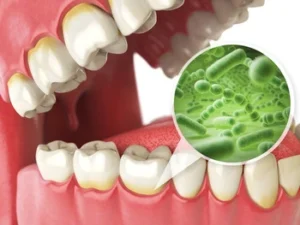
 Bad breath, also known as halitosis, often begins when bacteria thrive in the mouth. When food particles remain on the teeth, tongue or gums, they break down and create bad odours. Poor oral hygiene is one of the most common contributors because brushing and flossing less than twice a day allows bacteria to accumulate.
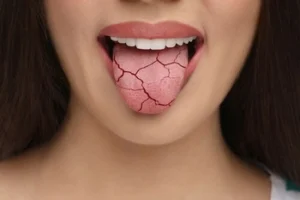
Dry mouth also plays a large role. When saliva levels are low, the mouth cannot effectively wash away debris. Saliva production is important because it helps control bacteria, neutralise acids and keep the mouth comfortable. People who sleep with their mouth open, take certain medications or do not drink enough water often notice stronger smells in the morning to prevent dry mouth symptoms.
Other causes include strong-smelling foods like garlic and onions, smoking, tobacco products, dentures that are not cleaned well, and medical conditions like gum disease, acid reflux or infection. A dentist can help identify whether the issue is related to a dental issue or a health condition that may need treatment.
Everyday Habits That Help Prevent Bad Breath
Small daily habits often make the biggest difference when trying to prevent bad breath. Many of the causes begin with what happens in the mouth throughout the day, from how often you brush to how much water you drink. By building simple routines that support saliva production, remove bacteria and keep the mouth clean, you can maintain fresh breath more consistently and reduce the risk of ongoing issues.
 Start With Good Oral Hygiene
Learning how to prevent bad breath always begins with consistent brushing. Brush your teeth at least twice a day to remove plaque, reduce bacteria and minimise the risk of dental problems. Brushing the tongue is equally important because bacteria can settle in the grooves of the tongue and contribute to an unpleasant smell.
Many people also benefit from using a tongue scraper to remove buildup and improve freshness throughout the day.
Make Drinking Water a Daily Priority
Choosing to drink plenty of water supports saliva production and helps rinse away food particles before bacteria can cause problems. Carrying a water bottle can make it easier to stay hydrated, particularly for people who experience dry mouth or less saliva during the day.
Try Simple Home Remedies
Some home remedies may help freshen the breath naturally. Foods with antibacterial properties, such as parsley or mint, can temporarily reduce odours. Chewing sugar-free gum after eating also encourages saliva to flow, helping clean the mouth and manage bad breath between brushing sessions.
Be Mindful of What You Eat
Certain foods have a strong impact on breath. Foods like garlic, onions and spices can linger for hours because their compounds enter the bloodstream and reach the lungs. Reducing these foods may help if you notice changes after eating them.
A balanced diet also supports oral health. Eating crunchy fruits and vegetables can help clean the teeth, while limiting sugary snacks reduces the chance of bacteria growing rapidly.
Lifestyle Changes That Improve Breath Long Term
Improving breath over the long term often requires looking beyond daily habits and addressing the broader factors that influence oral health. Certain lifestyle choices can affect saliva flow, gum health and how easily bacteria grow in the mouth. By making gradual adjustments that support a cleaner, healthier environment for your teeth and gums, you can manage bad breath more effectively and enjoy fresher breath throughout the day.
Quit Smoking and Reduce Tobacco Products
Smoking and tobacco use cause persistent bad odours, dry mouth and irritation to the gums. Quitting or reducing these habits can greatly improve breath, oral hygiene and overall well-being.
Look After Your Dentures
If you wear dentures, cleaning them thoroughly every day helps prevent bacteria buildup. Dentures that are not cleaned regularly can cause bad breath and discomfort, so proper care is essential.
 Keep Up With Regular Dental Checkups
Regular dental check-ups allow your dentist to detect early signs of gum disease, infection or other issues that may cause bad breath. Gum disease is a common cause because the gums become inflamed, and bacteria build up in the pockets around the teeth. Early treatment reduces symptoms and protects long-term oral health.
When Bad Breath Might Be Linked to a Health Condition
If lifestyle changes do not improve your breath, it may be linked to medical conditions such as acid reflux, sinus issues, diabetes or other systemic problems. A dentist or doctor can help identify whether your symptoms relate to a deeper concern and recommend the right treatment.
Final Thoughts on How to Prevent Bad Breath
Fresh breath begins with simple habits. When you brush your teeth twice a day, drink plenty of water, chew sugar-free gum, clean your tongue and make thoughtful lifestyle changes, your oral health and confidence improve. If bad breath continues despite these steps, speaking with your dentist is the right way to treat the underlying cause and restore comfort.
If you are looking for personalised advice on how to prevent bad breath or want to address ongoing concerns, book a visit with Beyond 32 Dental. Their friendly team can assess your oral health, identify the underlying causes and guide you toward effective, long-lasting solutions. Reach out today at (02) 9139 8171 to schedule your appointment and take the next step toward fresher breath and a healthier mouth.
References
Colgate. (n.d.). Gum irritation four self-induced causes. Retrieved from https://www.colgate.com/en-us/oral-health/gum-disease/gum-irritation-four-self-induced-causes
Mayo Clinic. (n.d.). Bad breath: Symptoms and causes. Retrieved from https://www.mayoclinic.org/diseases-conditions/bad-breath/symptoms-causes/syc-20350922
Johnson & Johnson. (2018, October 7). 4 things scientists know about the bacteria in your mouth. Retrieved from https://www.jnj.com/innovation/4-things-scientists-know-about-the-bacteria-in-your-mouth
Beyond 32 Dental TeamPennant Hills, since 2013



 5.0 360+
Happy Customers