Here’s a detailed look at how one typically undergoes the dental implant process.
Initial consultation and planning
In the initial phase of the dental implant process, a thorough consultation takes place. Here, your oral health is evaluated, medical and dental backgrounds are reviewed, and candidacy for implants is determined by the dentist. This assessment typically includes X-rays or 3D imaging to evaluate the bone density and structure of your jaw, which is essential for supporting the implant.
Creating a personalised treatment plan
If dental implants are deemed suitable, the dentist will create a personalised treatment plan. This plan addresses your specific dental needs and outlines the entire implant process, including any preliminary procedures that may be required.
Preparatory procedures
In some cases, preparatory procedures such as tooth extractions or bone grafts are necessary before placing the implants. Bone grafting is done to enhance the jawbone where the bone is not adequate to support an implant. This phase must be completed and healed before moving forward with the implant placement.
Implant placement
The actual implant procedure is typically performed under local anaesthesia, and sedation options are available for those who may feel anxious. The procedure involves making a small incision in the gum to expose the bone where the titanium implant, which serves as a tooth root substitute, is then carefully placed. After the implant is positioned, the surrounding gum tissue is sutured closed.
The healing process, or osseointegration, begins. This is where the bone integrates with the surface of the implant. This healing phase can take several months, during which the implant becomes securely fused with the bone.
Abutment attachment
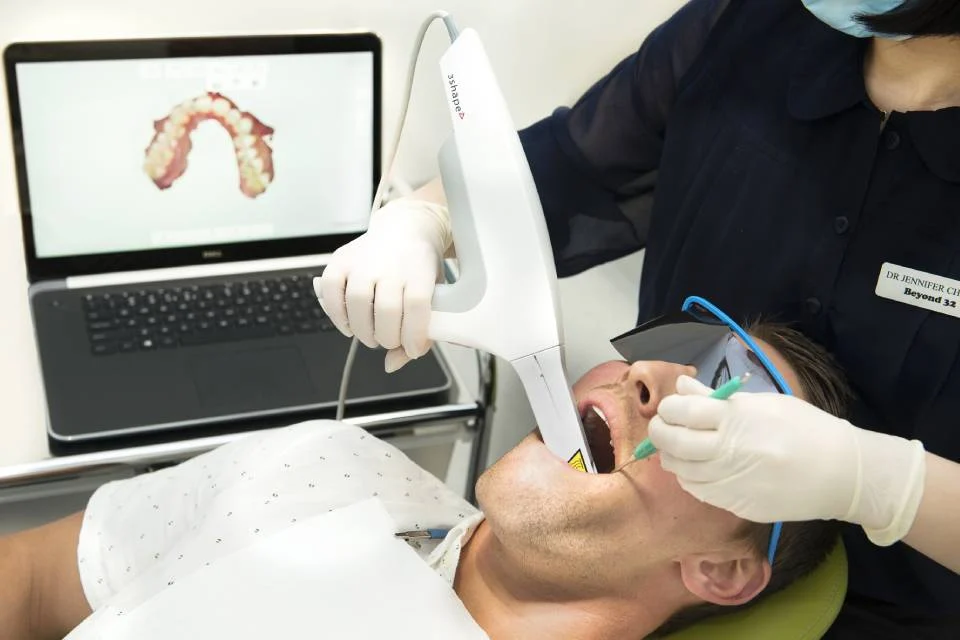
Once the implant has bonded with the jawbone, the next phase involves attaching an abutment. The dental abutment serves as a link between the implant and the final dental restoration, like a crown. Another minor surgery is required to attach the abutment, usually carried out under local anaesthesia. After the gum tissue around the abutment heals, impressions of the teeth and gums are made to custom design the artificial tooth or teeth.
Placement of the prosthesis
The last phase of the dental implant procedure involves installing the crown, bridge, or denture. Crafted to match your natural teeth’s colour and shape from previous impressions, this dental prosthesis seamlessly integrates with your smile. Once the prosthesis is ready, it is securely attached to the abutment.
Post-treatment care
After the prosthesis is placed, maintaining excellent oral hygiene and attending routine dental check-ups becomes imperative. Consistent care and monitoring contribute significantly to prolonging the lifespan of your implants.